Aromatic Use
Diffusion
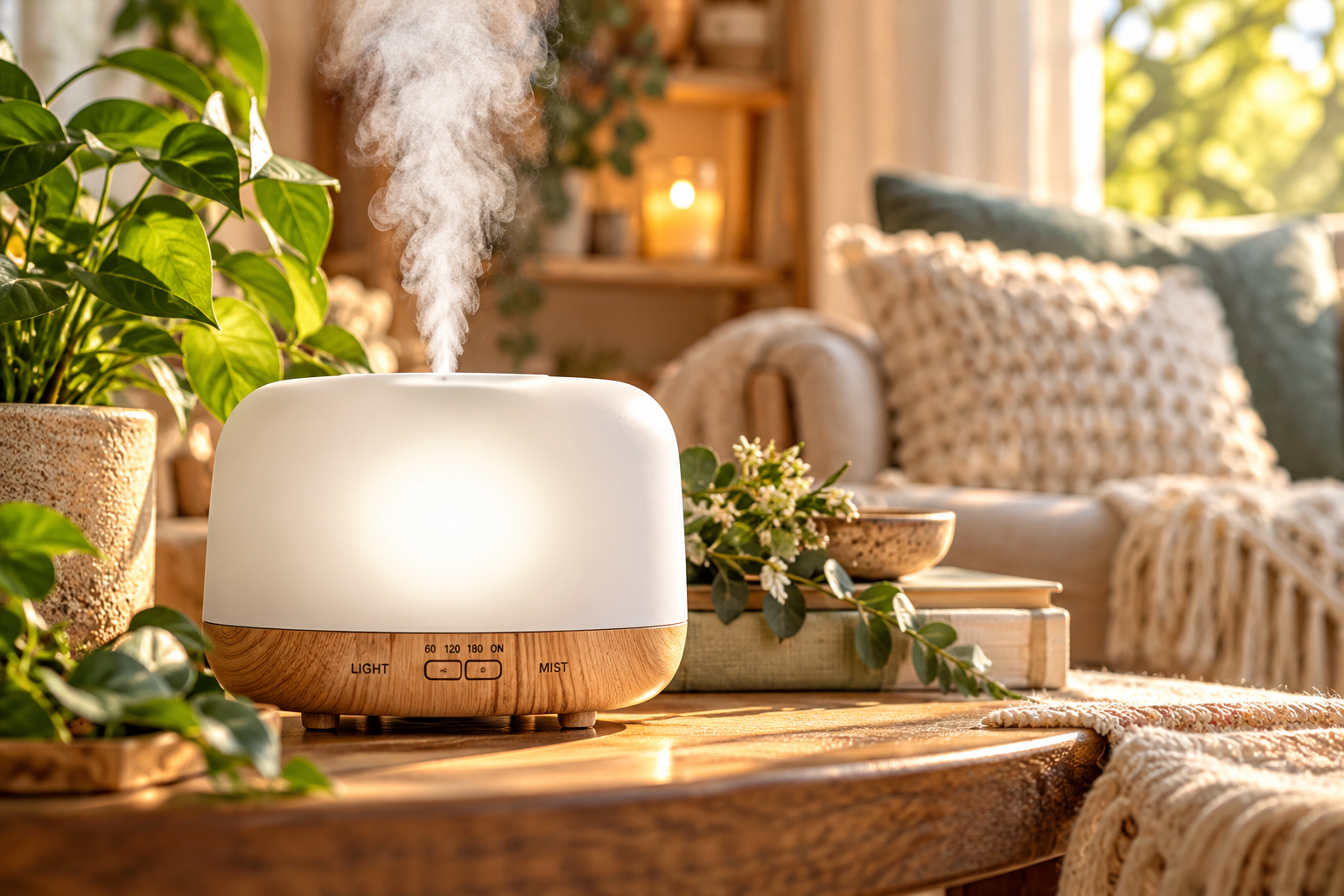
Disperse an appropriate essential oil or blend into the surrounding air with a diffuser. Use the oil-specific number of drops and recommended interval rather than assuming continuous diffusion.

Discover the Zilara Vault
Included free with your qualifying 100 CV order.
The Alexandria Brighton Approach
Essential oils are not interchangeable little bottles of scent. Each one begins with a plant, carries its own naturally occurring chemistry, and brings its own possibilities for how we work with it.
Inside This Guide
Alexandria's method asks us to understand what we're using before we decide how to use it. This guide brings the big pieces together so you can move through essential oils with more confidence and intention.
Alexandria's Starting Point
Lavender is not Peppermint. Thyme is not Rose. Even oils from the same botanical family can ask very different things of us. Alexandria's approach begins there: know the oil before choosing the method.
Botanical identity, chemotype when applicable, naturally occurring constituents, intended application, precautions and contraindications all help shape the way we work with an oil. One may be beautifully suited to diffusion, another to a carefully diluted massage blend, and another to a very specific topical use. The person using the oil matters, too.
Know the botanical oil and its specific profile before choosing an application.
Review precautions and contraindications that belong to that particular oil or blend.
Choose the amount, dilution and method that fit the intended use and individual.
Responsible Cautions
Essential oils are highly concentrated plant extracts, and using them responsibly begins with respecting that concentration. Knowing where an oil belongs, how much to use, who is using it and what cautions travel with it is simply part of working with the plant well. Refer to each individual oil's or blend's Product Information Page (PIP) for the specific usage directions, working amounts and cautions that belong to that formula.
Avoid direct contact with the eyes and highly sensitive areas. Wash hands after application when appropriate.
Some oils require special consideration before sunlight or ultraviolet exposure. Check the individual oil.
Some essential oils require dilution or other limits for skin use even when they are pure and properly produced.
Individual oils may have contraindications or require additional care for people taking medication or under medical care.
Store concentrated essential oils securely and use only with guidance appropriate to age, species and the individual oil.
Keep bottles securely closed and protected from direct sunlight and excessive heat to help preserve oil integrity.
Bring the Bottle Into Real Life
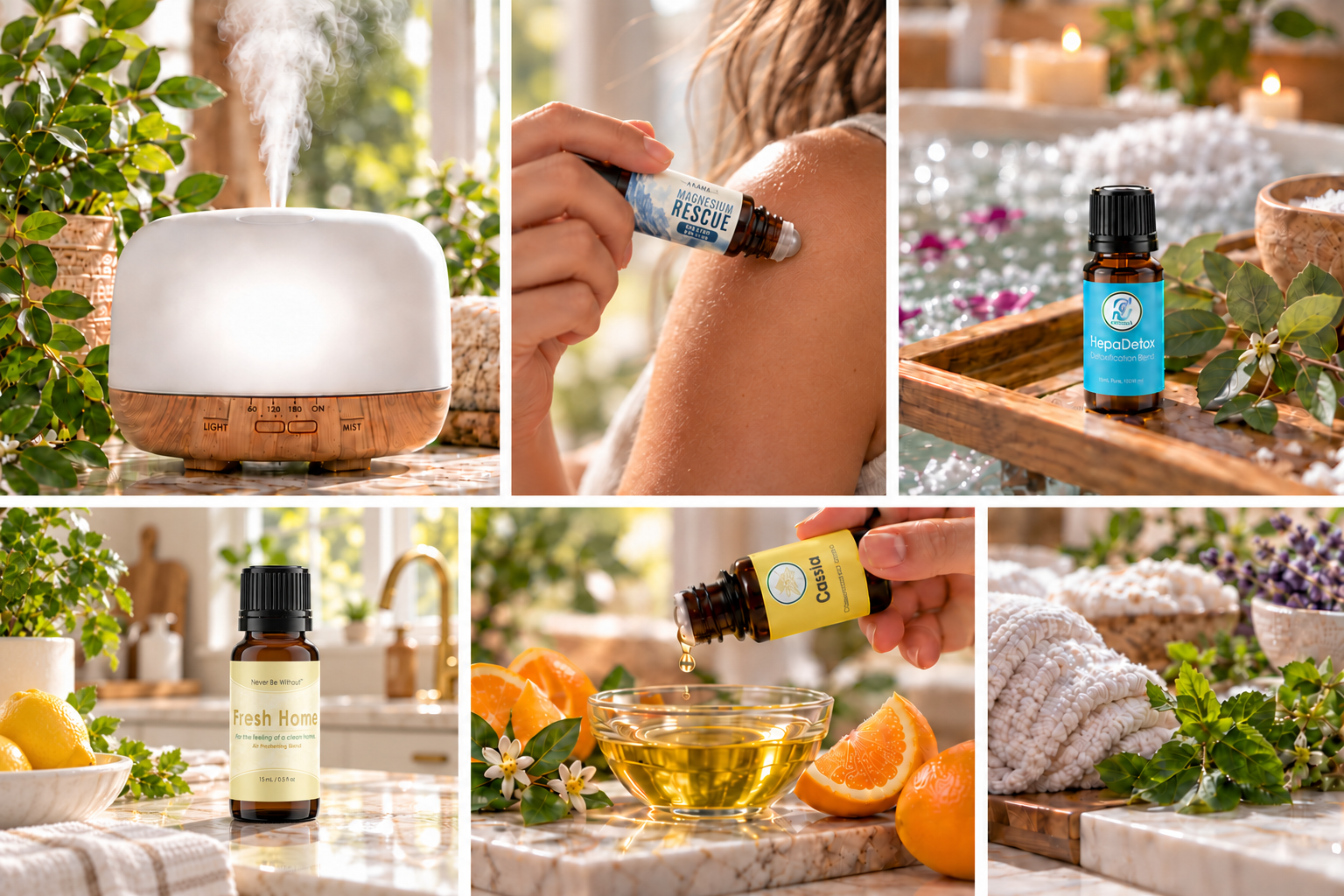
A bottle can become part of a morning routine, a quiet moment at the end of the day, a massage blend, a bath, a diffuser or a focused topical application. Understanding the oil gives you the confidence to move it off the shelf and into the moments where it belongs.
The more familiar the process becomes, the less intimidating essential oils feel.
Know What You're Holding
Before deciding what to do with an oil, spend a moment with what makes it distinctive. Its botanical identity, chemistry and cautions are not fine print. They are part of understanding the plant in the bottle.
Methods of Application
There is no single way to experience an essential oil. Alexandria works with oils in different ways depending on the plant, the purpose and the person. Sometimes the experience begins with aroma. Sometimes it belongs on the skin. Sometimes warm water, massage or a compress becomes part of the ritual. The method matters.
Disperse an appropriate essential oil or blend into the surrounding air with a diffuser. Use the oil-specific number of drops and recommended interval rather than assuming continuous diffusion.
When appropriate for the oil, aromatic use may include inhaling from a tissue or cotton ball, or from the hands or wrists after application.
Apply to a targeted area when appropriate. Depending on the oil and directions, topical use may be diluted in a carrier or used neat in a small amount.
For larger areas, measured essential oil is combined with an appropriate carrier before massage. Dilution allows a small amount of concentrated essential oil to be distributed across more skin.
For oils or blends whose directions call for it, topical application may be paired with a warm compress for a specified period of time.
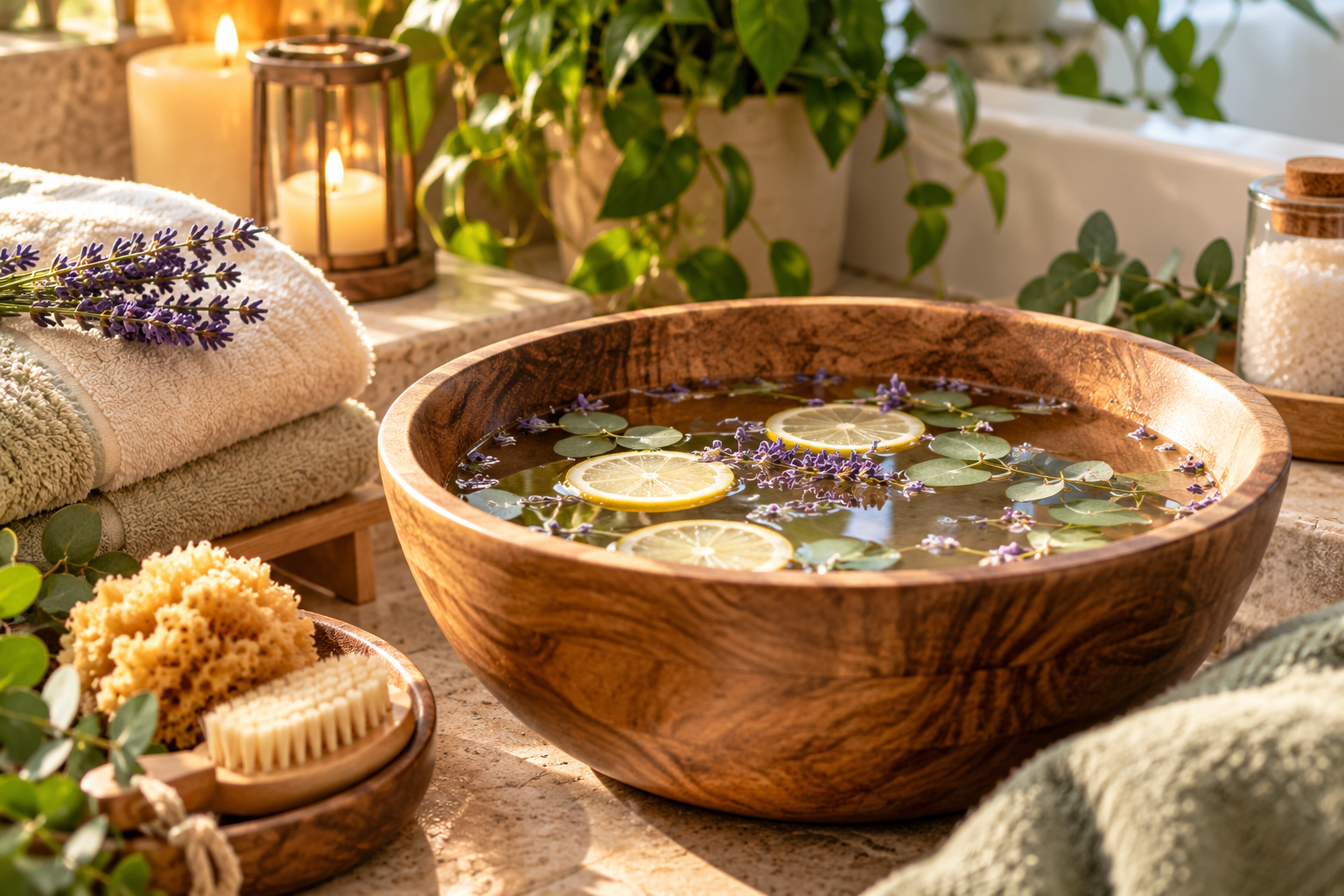
When an oil is appropriate for bath use, combine it with the recommended bath medium before adding it to warm water. A foot soak offers another focused way to work with selected oils.
Dilution & Neat Use
A carrier oil gives a small amount of essential oil room to move across the skin and offers another way to adjust how we work with its concentrated chemistry. Alexandria also uses certain oils neat when the oil, purpose and directions call for it. The key is knowing which approach belongs to the oil in your hand.
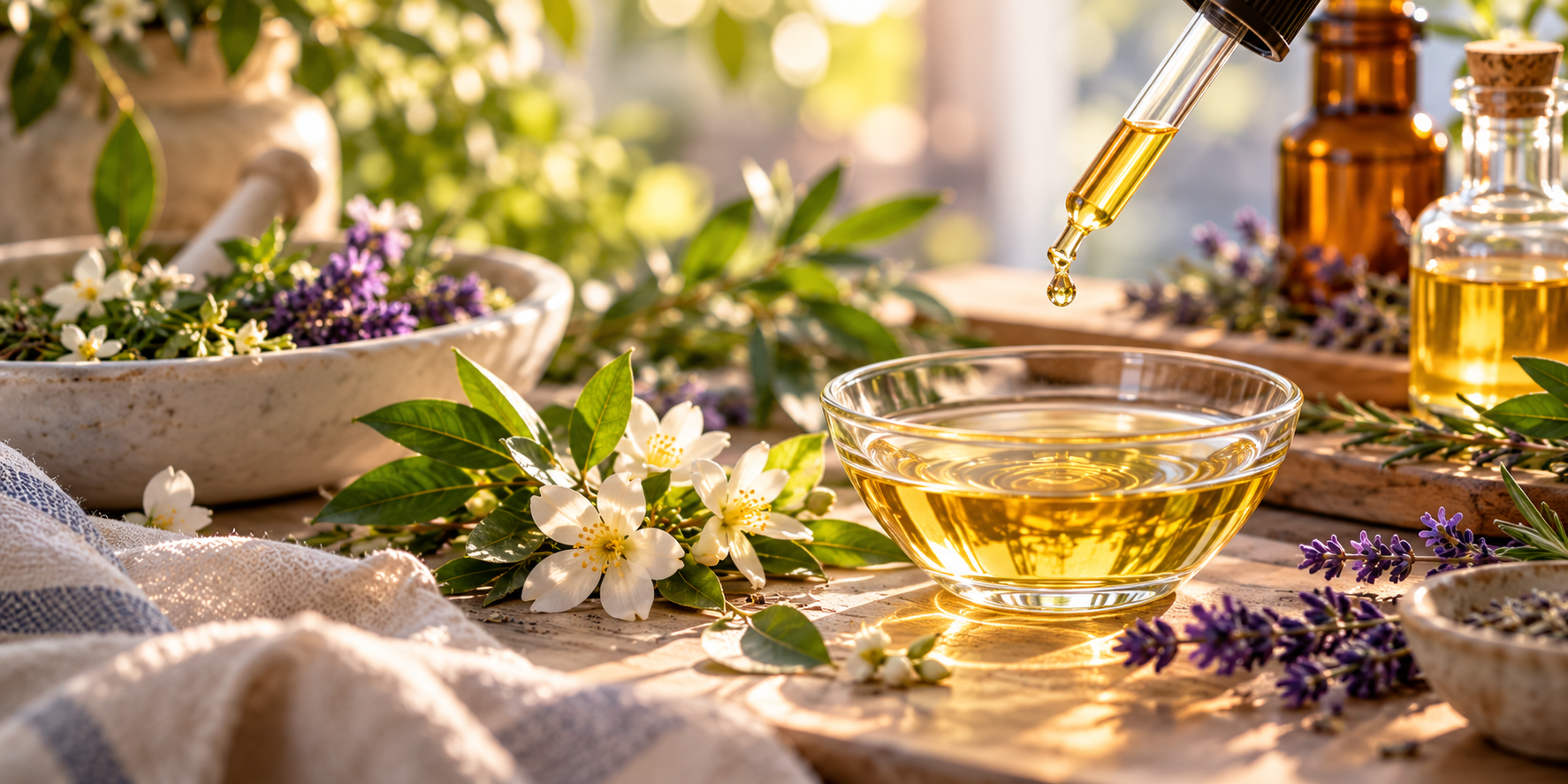
Carrier oils make it possible to spread a measured amount of essential oil over a larger area while adjusting the concentration for the person and purpose.
Neat means undiluted. When Alexandria specifies neat use, it belongs to that particular oil, blend and application. It should not be generalized to the rest of the essential oil cabinet.
Follow the specific drop count or dilution provided for the oil and application area.
Measure the essential oil into the stated amount of carrier before applying across a larger area.
When the individual Zilara PIP gives a working amount or dilution, use that guidance rather than a generic chart.
Special Considerations
Age matters. Some oils are not appropriate for young children, while others call for age-specific dilution or application methods. Check the individual oil or blend.
Guidance can differ by oil, blend, stage of pregnancy and method of use. Refer to the specific product cautions rather than assuming a general rule.
Age, medications and ongoing medical care can affect the choice of oil, concentration and application. Seek qualified guidance when appropriate.
Put It Into Practice
A few thoughtful seconds before opening the bottle can change the whole experience.
Review its botanical identity, profile, intended uses and cautions.
Aromatic, topical, massage, bath, foot soak or compress should fit the oil and purpose.
Follow the working amount or dilution rather than assuming more produces a better result.
Notice the individual response and stay within the responsible-use guidance for that oil.
From the Stillroom
Alexandria's approach gives us a way to think about essential oils, not simply a list of things to do with them. Use this guide as your foundation, then visit the individual Zilara Product Information Page for the working amounts, cautions and directions that belong to the oil or blend in your hand.